Planning Your First Trip to Belgium
A thoughtfully curated guide to choosing your cities, getting around, and making the most of a first visit to Belgium.
Belgium is small enough to explore easily, but varied enough that choosing where to go still matters.
At first glance, Belgium can seem like a destination to add between larger European cities—a night in Brussels, perhaps a day trip to Bruges, and then onward. But its compact size is exactly what makes it worth exploring more thoughtfully. Frequent train connections make it easy to experience several cities in one trip, and each offers something noticeably different.
Brussels brings grand architecture and the energy of a capital city. Bruges is known for its canals and beautifully preserved medieval center. Antwerp feels more contemporary, with fashion, design, and a strong creative identity. Ghent sits somewhere in between: historic and atmospheric, but still lively and lived in.
For a first trip, the goal does not need to be seeing all of Belgium. Choose a few cities that complement one another, use the train system to keep the logistics simple, and give yourself enough time to understand what makes each one distinctive.
Quick Facts
Ideal trip length: 3–5 days
Best time to visit: April–June or September–October
Getting around: Trains are usually the easiest way to travel between the major cities.
Good for: Architecture, historic cities, canals, food and drink, short rail journeys, and multi-city European trips.
How Many Days Do You Need?
Belgium works well for anything from a long weekend to a five-day trip.
With three days, I would choose two cities rather than trying to cover the entire country. Ghent and Bruges pair naturally, while Brussels can work well as an arrival point or additional stop.
With four or five days, you can experience three cities at a more comfortable pace and include Antwerp if its design, fashion, and contemporary atmosphere appeal to you.
Belgium’s cities may be close together, but that does not mean each one should be reduced to a few rushed hours.
Choosing Which Cities to Visit
Brussels
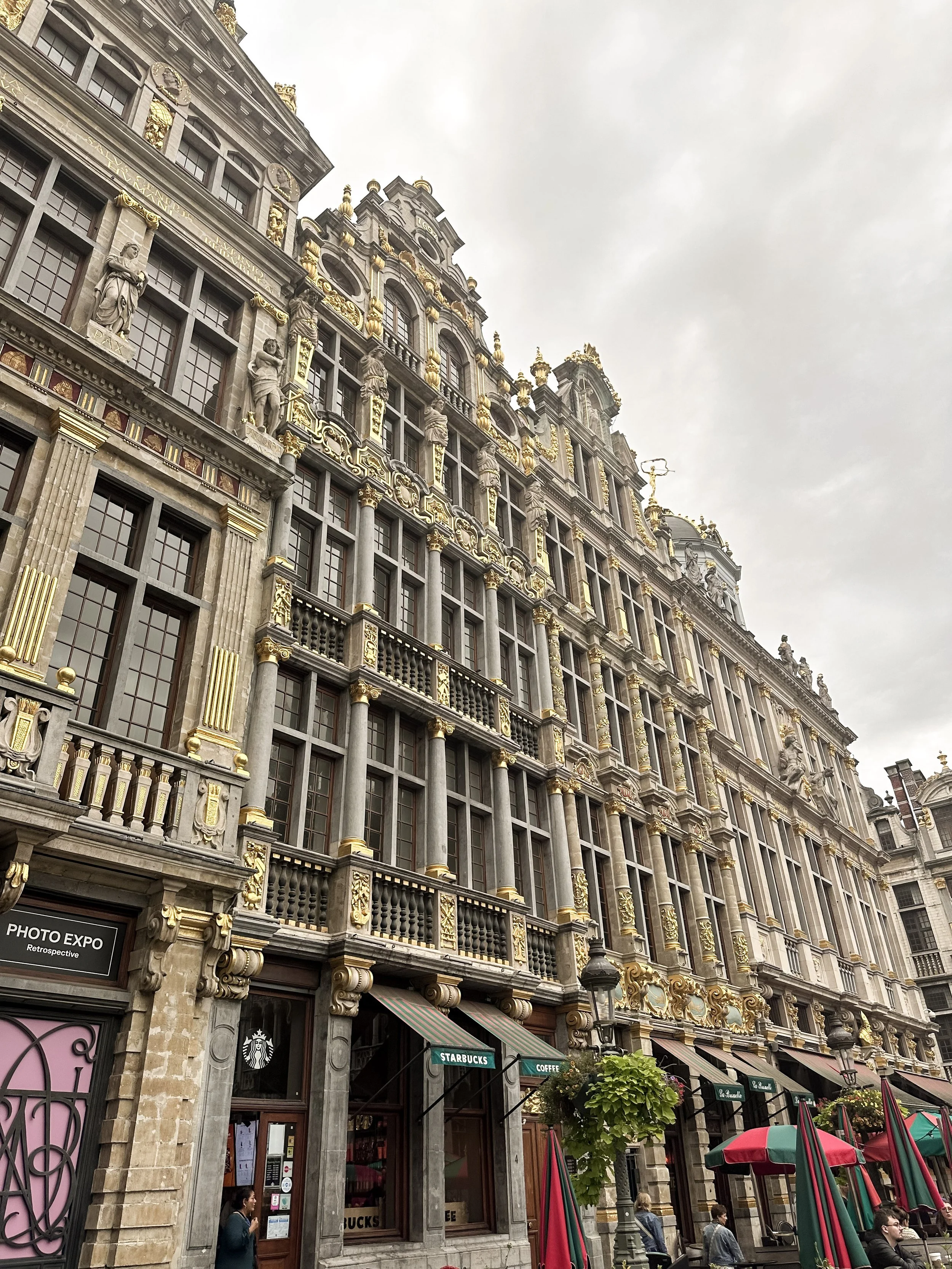
Belgium’s capital is the most practical arrival point for many travelers and offers the country’s grandest architecture, major museums, and most international atmosphere.
Choose Brussels if you want the energy and amenities of a larger city or need a convenient transportation hub.
Ghent
Ghent combines canals and medieval architecture with the energy of a university city. It feels historic without becoming frozen in time, which made it especially enjoyable to explore.
Choose Ghent if you want atmosphere, walkability, and a city that remains lively after the daytime visitors leave.
Bruges
Bruges delivers the storybook setting many travelers imagine when planning a trip to Belgium. Its canals, cobbled streets, and beautifully preserved architecture make it an easy place to appreciate visually.
Choose Bruges if this is your first trip and its romantic, historic atmosphere is part of what drew you to Belgium.
Antwerp
Antwerp feels noticeably more contemporary than Belgium’s other major visitor destinations. It is known for fashion, design, art, architecture, and a stronger big-city edge.
Choose Antwerp if your interests lean toward shopping, creativity, and modern culture as much as traditional sightseeing.
→ For more help choosing your cities, read my full guide here.
Where Should You Base Yourself?
You do not need to change hotels for every city.
For a shorter visit, choose one central base and make day trips by train. Brussels offers the broadest transportation connections, but Ghent can be a more atmospheric base if your plans focus on Flanders.
For a longer visit, splitting the trip between two cities allows you to experience Belgium after the day-trippers leave without creating too much logistical work.
I would avoid moving hotels every night. Belgium’s rail network makes it easy to see more while keeping the trip comfortable.
Getting Around Belgium
Belgium is one of the easier European countries to explore without renting a car.
Trains connect Brussels, Ghent, Bruges, and Antwerp, and the city centers are generally manageable on foot once you arrive. A rental car is unnecessary for this type of itinerary and can create more complications than convenience in historic centers.
Leave a little extra time when navigating larger stations, and check whether your accommodations are within walking distance of the station or better reached by tram or taxi.
What I’d Prioritize
Experience More Than One City
The contrast between Belgium’s cities is one of the best reasons to visit. Pairing two or three destinations gives the trip much more depth than treating Belgium as a single stop.
Spend the Night Somewhere Beyond Brussels
Bruges and Ghent both feel different once the daytime crowds begin to thin. Staying overnight gives you quieter streets, more relaxed dinners, and a better sense of the city beyond its most photographed areas.
Take a Canal Boat Ride
A boat ride offers a different view of cities such as Ghent or Bruges and gives useful context to the streets and buildings you have been exploring on foot.
Leave Time for Food and Drink
Belgian chocolate, waffles, beer, cafés, and leisurely meals should not be treated as extras squeezed between landmarks. They are part of the experience.
Wander Beyond the Main Squares
The major historic squares deserve attention, but some of the most memorable streets, canals, and architectural details appear once you move away from the busiest routes.
Suggested Four-Day Itinerary
Day One: Brussels
Arrive and settle in
Explore the historic center
Grand-Place and surrounding streets
Dinner and drinks in the city
✦ Editor’s Note
One of my favorite experiences in Brussels was taking a guided chocolate tour around Grand-Place. It was a fun way to explore the historic center while learning more about Belgium’s chocolate culture—and discovering a few shops I probably would have walked right past otherwise.
Day Two: Ghent
Travel to Ghent
Walk through the historic center
Canal boat ride
Explore the waterfront
Stay for dinner and the evening atmosphere
Day Three: Bruges
Morning train to Bruges
Explore the canals and medieval center
Long lunch or café stop
Return to Ghent or stay overnight in Bruges
Day Four: Brussels or Antwerp
Choose Brussels for museums, architecture, and an easier departure, or Antwerp for shopping, design, and a more contemporary final day.
Practical Tips
Use trains rather than renting a car for a city-focused trip.
Check your return train time, but avoid planning every departure so tightly that the day feels rushed.
Visit Bruges early or stay into the evening for a quieter experience.
Give Ghent enough time to experience it beyond a quick stop between Brussels and Bruges.
Pack for changing weather, even during spring and early fall.
Wear comfortable shoes; historic centers often mean cobblestones and long days on foot.
Continue Exploring Belgium
From The Edit
What makes Belgium work so well is not simply that its cities are close together—it is that those short journeys lead to places with completely different personalities. A first trip does not need to cover everything. Choose the cities that appeal to you most, allow each one enough time to feel distinct, and use the ease of the train system to make the trip feel varied without becoming exhausting.
The biggest mistake would be assuming that because Belgium is compact, it should also be rushed.
Through My Lens

One of the views that made me fall in love with Belgium.
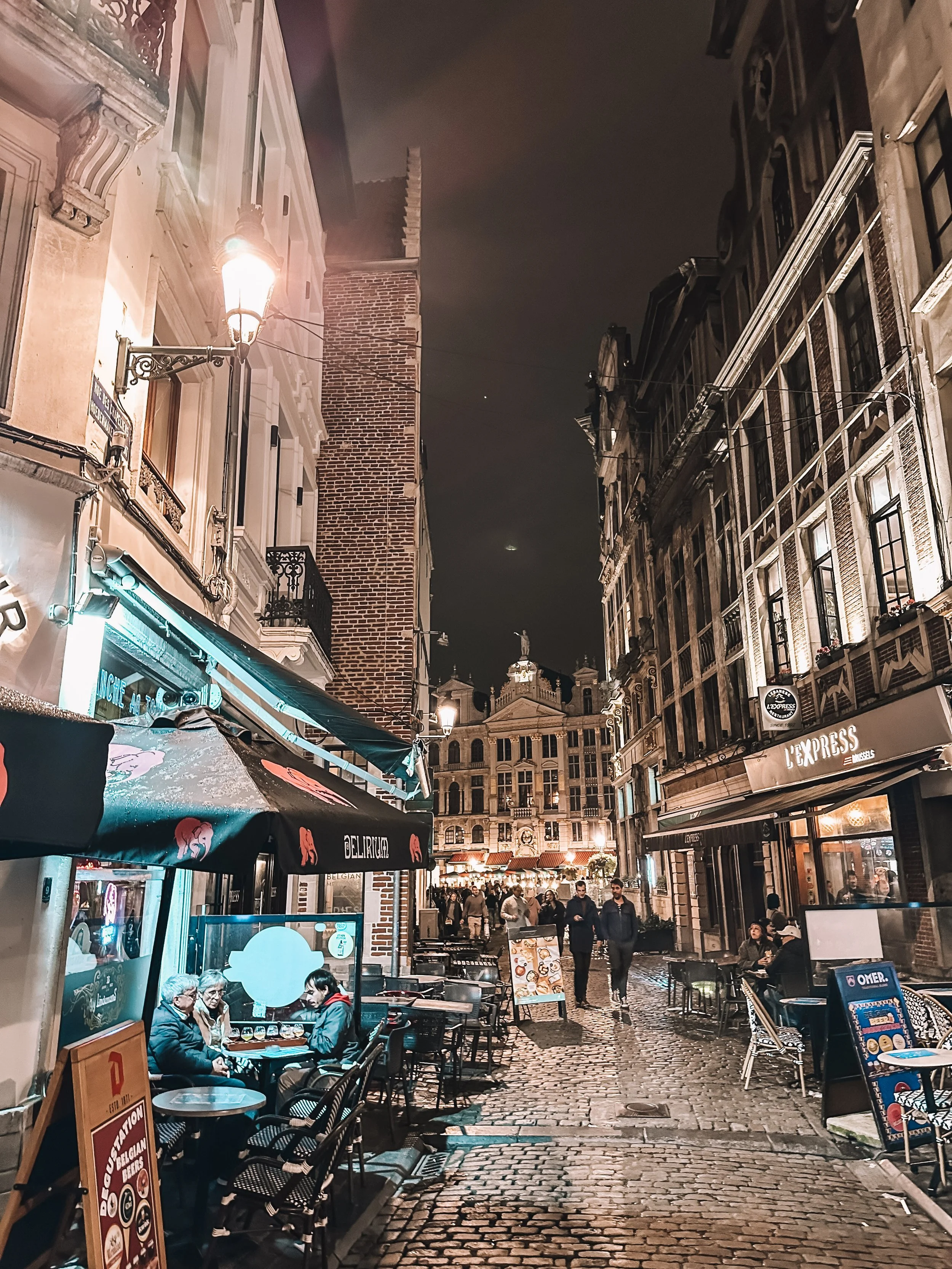
The landmarks brought me here. The streets made me want to stay.