Belgian Cafés, Beer & Chocolate
The food-and-drink experiences worth making room for between Belgium’s canals, historic squares, and train journeys.
Belgium’s cities may look different from one another, but cafés, beer, and chocolate create a thread that runs through the entire trip. These are not simply souvenirs or quick stops between landmarks. They are part of how Belgium is best experienced: lingering at a café, ordering a beer you have never tried, or stepping into a small chocolatier because something in the window catches your attention.
You do not need to become an expert—or attempt to try everything. Choose a few experiences that feel connected to the city you are visiting and allow them enough time to become part of the day rather than another item on the itinerary.
Café Culture
A café stop in Belgium can mean morning coffee, an afternoon pastry, a beer in a traditional pub, or simply a warm place to pause between long walks. Rather than searching for one definitive “best café,” look for places that match the atmosphere you want.
Historic Cafés
Belgium’s older city centers are filled with establishments where the setting matters almost as much as the order. These are the places to sit a little longer, notice the interiors, and watch the city move around you.
Canal-Side Stops
In Ghent and Bruges, a café terrace near the water offers an easy way to enjoy the scenery without following another sightseeing route. The experience is often less about the specific drink and more about choosing a view worth admiring.
Traditional Brown Pubs
Belgium’s traditional pubs are known for their intimate, wood-paneled atmosphere and broad beer selections. Ghent in particular has numerous authentic pubs, including Trollekelder, housed above a 15th-century cellar, and De Dulle Griet, where the famous house-beer ritual involves leaving a shoe as collateral for a boot-shaped glass.
✦ Editor’s Note
Do not feel pressured to choose the most photographed café. Some of the best stops are simply the ones that appear at the right moment—when it begins to rain, when you need a break, or when a quiet table has a particularly good view.
Belgian Beer
Belgian beer culture is broad enough to feel intimidating at first, but it does not need to be approached academically. A good bartender or server can usually help you choose based on flavors you already enjoy, whether that means something light and crisp, dark and malty, fruity, sour, or sparkling.
Belgian beer culture is recognized by UNESCO as intangible cultural heritage, and cities including Brussels, Ghent, and Bruges offer everything from traditional pubs and specialist beer cafés to breweries, tours, and pairing experiences.
What to Try
Trappist or abbey-style beer – Often richer and stronger, with considerable variation between producers.
Lambic or gueuze – Distinctive, naturally fermented styles closely associated with the Brussels area.
Kriek – A fruit beer traditionally made with cherries.
Witbier – A lighter wheat beer that can be an approachable starting point.
A local city beer – Ask what is brewed in or associated with the place you are visiting.
Where to Experience It
Ghent – An excellent city for traditional pubs, specialty beer cafés, local breweries, and tasting venues.
Bruges – Pair a traditional beer café with an afternoon exploring the medieval center; the city offers everything from historic pubs to modern bars and beer cellars.
Brussels – The strongest choice for travelers interested in lambic, gueuze, brewery visits, or structured tastings and pairings.
A Few Tips
Ask for a recommendation rather than defaulting to the most recognizable label.
Pay attention to alcohol percentages; some Belgian beers are considerably stronger than they taste.
One or two thoughtful choices are enough. This does not need to become a tasting marathon.
Consider a guided tasting if you want context without navigating a long menu alone.
Belgian Chocolate
Belgian chocolate can range from polished heritage brands to small independent chocolatiers producing everything by hand. The most enjoyable approach is not necessarily visiting the greatest number of shops—it is comparing a few different styles.
Brussels has a particularly concentrated chocolate culture, with established maisons and independent chocolatiers around areas such as the Sablon, while Bruges and Ghent also have numerous artisan producers and chocolate-focused experiences.
What to Look For
Pralines – Filled chocolates and one of the classic Belgian purchases.
Truffles – Richer, softer-centered chocolates, often dusted or coated.
Single-origin bars – A good choice for anyone interested in the flavor of the cacao itself.
Unexpected flavor combinations – Particularly worthwhile at more experimental artisan shops.
Small boxed selections – Easier to sample and carry than committing to one large assortment.
Chocolate Stops by City
Brussels
Brussels was where I spent the most time exploring Belgium's chocolate scene, and it's still the city I'd recommend if you want to sample several renowned chocolatiers in one afternoon. Around the Sablon and Grand-Place, it's easy to walk between shops while comparing different styles and specialties. I also loved pairing it with a guided chocolate tour, which introduced me to a few chocolatiers I likely would have walked right past on my own.
Bruges
Bruges has a wonderful artisan chocolate scene that feels perfectly suited to the city's storybook atmosphere. Dumon is known for its traditional approach, while The Chocolate Line offers more creative flavors if you're looking to try something a little different.
Ghent
Ghent's chocolate scene feels a little quieter and more local. Rather than planning your day around chocolate, I think it works best as something to discover while wandering the city or as part of one of Ghent's chocolate and beer experiences.
Pairing Beer and Chocolate
Beer and chocolate may sound like two separate Belgian traditions, but they can work surprisingly well together. Darker beers often complement chocolate because roasted malt can introduce cocoa, coffee, and caramel-like flavors. Bruges and Brussels both offer guided beer-and-chocolate pairing experiences for visitors who want a more structured introduction.
A pairing experience is especially useful if you enjoy both but do not know where to begin. It turns two familiar indulgences into a more thoughtful tasting without requiring specialist knowledge.
Other Belgian Treats Worth Trying
Waffles
Belgium has several waffle traditions rather than one universal version. A Brussels-style waffle is typically lighter and more rectangular, while a Liège-style waffle is denser, sweeter, and often eaten without elaborate toppings.
Ghent also has its own strong waffle culture, making this an easy addition beyond Brussels.
Fries
Belgian fries are often served in paper cones with a wide selection of sauces. They work equally well as a quick lunch, an afternoon snack, or something to seek out after drinks.
Cuberdons
These cone-shaped candies are closely associated with Ghent and are recognizable by their firm exterior and soft, syrupy center. They are a particularly fitting local purchase while exploring the city.
How I’d Build These Experiences Into a Trip
Rather than setting aside one dedicated “food day,” let these experiences become part of each city.
In Brussels: Compare chocolates around the Sablon, then visit a beer café or brewery.
In Ghent: Stop for coffee or a waffle during the day, visit an artisan chocolatier, and end the evening in a traditional pub.
In Bruges: Pair a canal walk with a chocolate stop, a long café break, and a beer somewhere that encourages you to stay beyond the busiest sightseeing hours.
Continue Exploring Belgium
From The Edit
Some of Belgium’s most memorable experiences happen while sitting still. A beer selected with help from the bartender, a box of chocolates chosen one piece at a time, or a café stop that lasts much longer than expected can reveal as much about a city as another landmark.
My advice is not to turn Belgium’s food and drink into a checklist. Choose what interests you, ask questions, and leave enough space in the day to enjoy it properly.
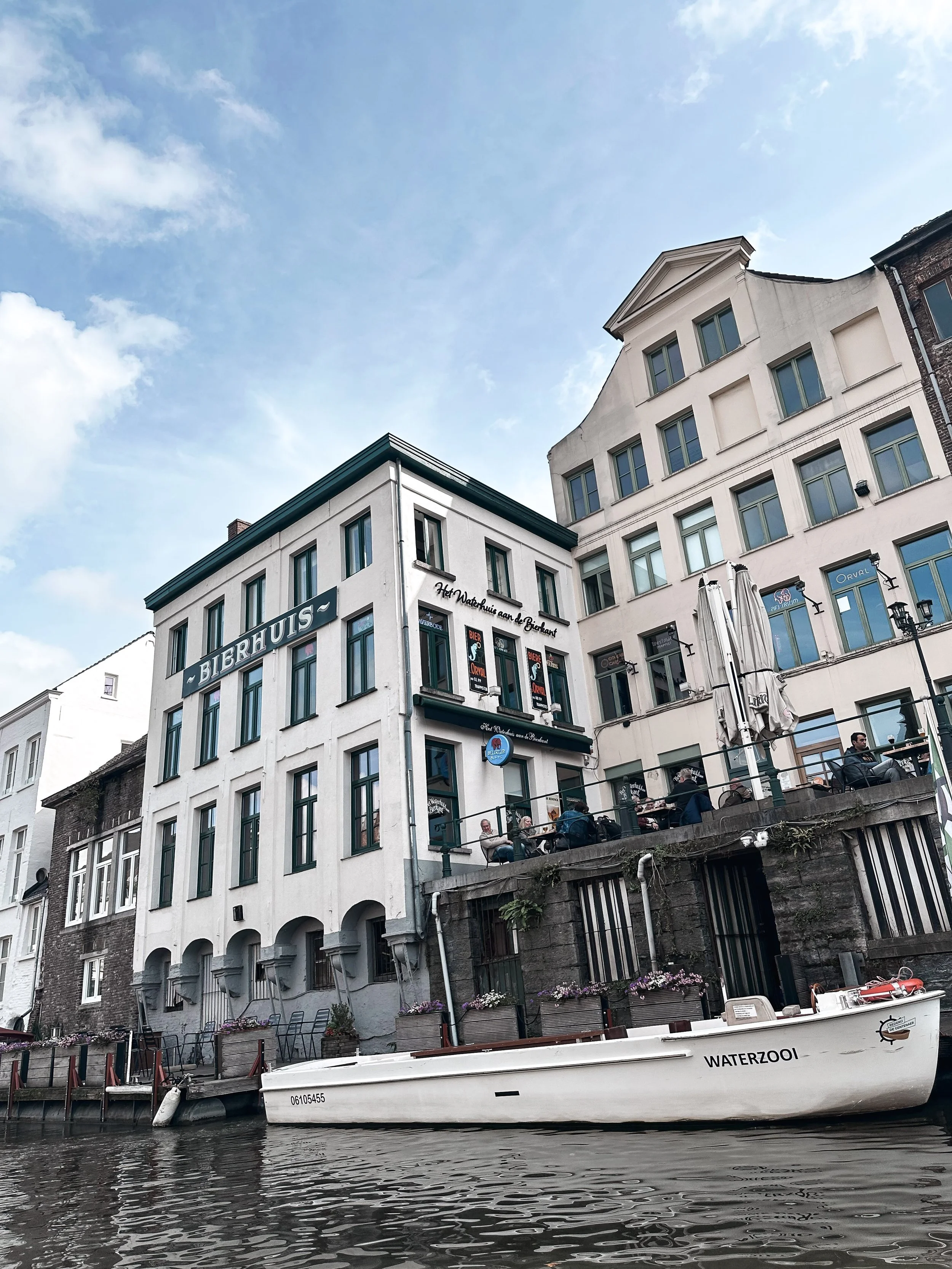
A canal-side terrace is time well spent.
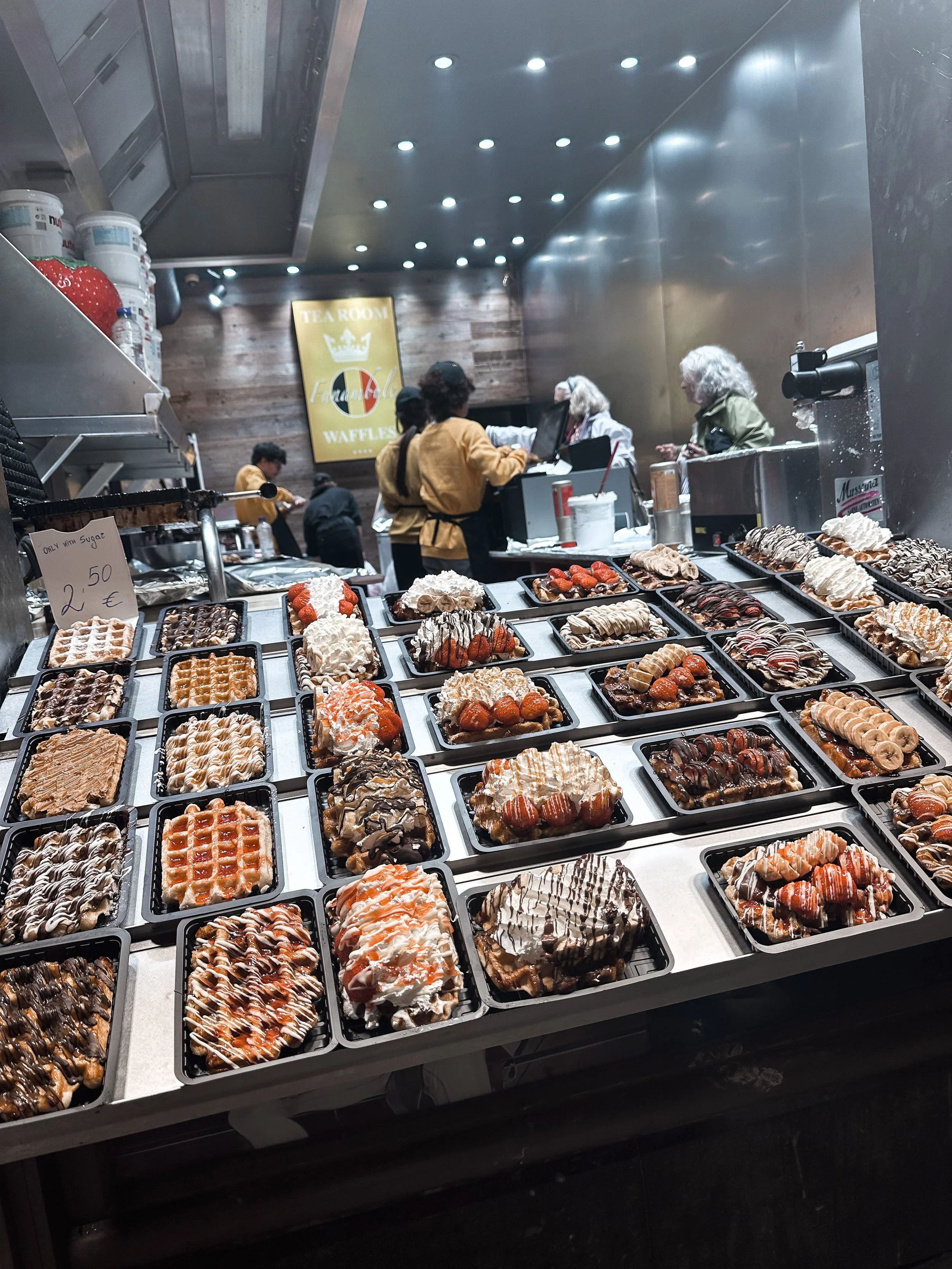
The displays were almost impossible to walk past.
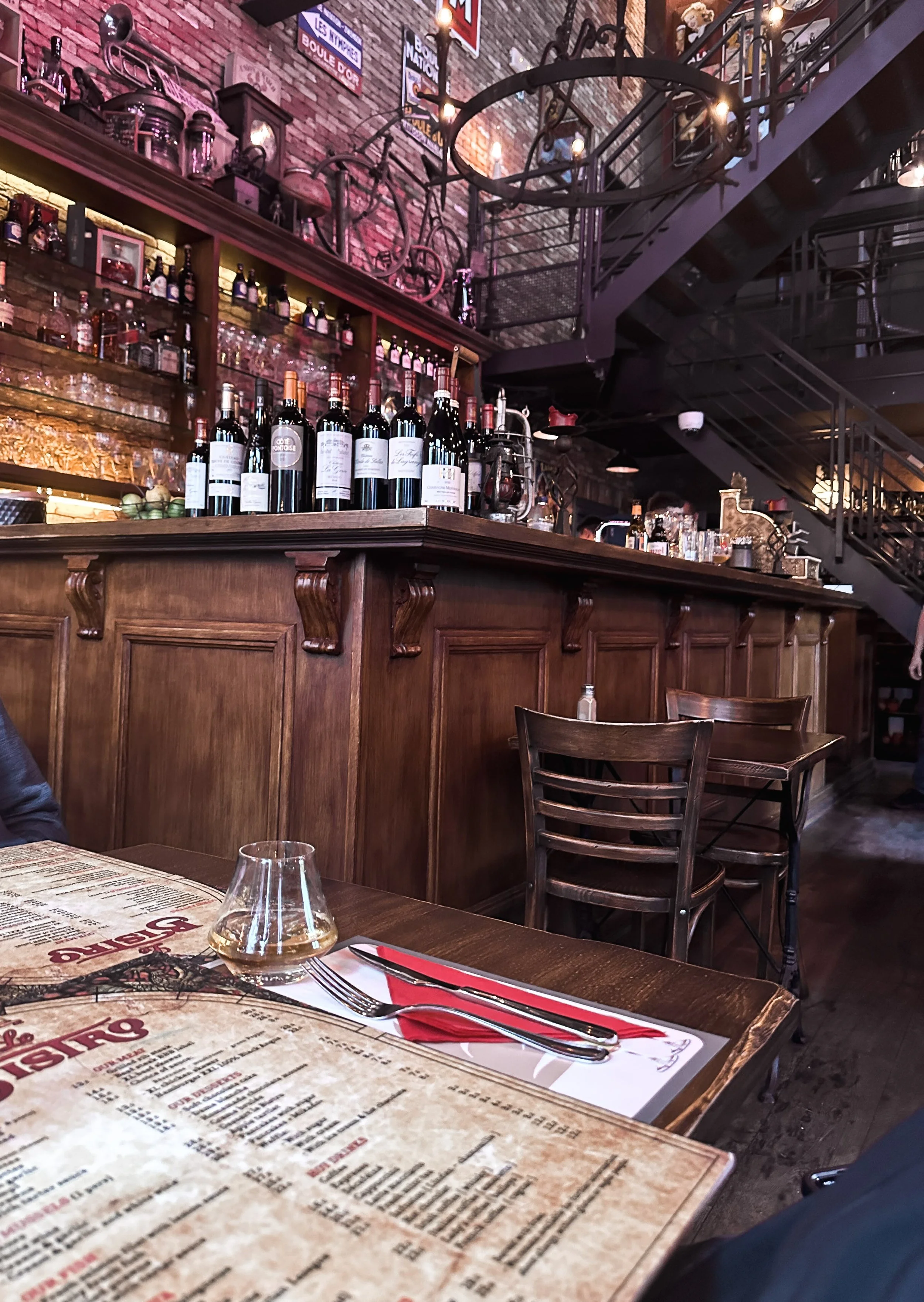
Le Bistro in Brussels, where I dined two nights in a row for their wine list & mussels.