Planning Your First Trip to Alsace
A thoughtfully curated guide to exploring one of France's most charming regions.
Alsace isn't just one destination—it's a collection of them.
Tucked between the Vosges Mountains and the Rhine River, Alsace is one of France's most distinctive regions. Storybook villages, vineyard-covered hillsides, and centuries of French and German influence come together to create an experience unlike anywhere else in the country.
One of the biggest surprises for first-time visitors is realizing that Alsace isn't meant to be experienced from a single city. Strasbourg and Colmar are wonderful starting points, but much of what makes the region special is found between them—wine villages, scenic roads, vineyard views, and places you may not have planned to stop at all.
If you're planning your first visit, give yourself enough time to explore beyond the major cities. A few days traveling through the region will give you a much better sense of Alsace than trying to experience it all from one home base.
Quick Facts
Ideal trip length: 3–5 days
Best time to visit: May–June, September–October, or December for the Christmas markets
Getting around: I highly recommend renting a car if your itinerary allows. It's by far the easiest way to explore the Alsace Wine Route, visit smaller villages, and enjoy the flexibility to stop whenever something catches your eye.
Good for: Wine lovers, charming villages, scenic drives, photography, food, and romantic getaways.
Where to Stay
Unlike larger destinations, there's no single "best" place to stay in Alsace.
If you're looking for a larger city with excellent restaurants, history, and easy train connections, Strasbourg makes a wonderful base.
If you'd rather wake up surrounded by colorful half-timbered buildings and have easy access to the Wine Route, Colmar is an excellent choice.
If you're renting a car, I'd encourage you to think beyond just one home base. Splitting your stay between Strasbourg and Colmar—or choosing accommodations in one of the smaller wine villages—lets you experience two very different sides of Alsace while spending less time driving back and forth each day.
✦ Editor's Note
If I were planning my first trip again, I'd absolutely rent a car and split my stay between two locations. It makes the region feel much less like a series of day trips and much more like a journey through Alsace.
How Many Days Do You Need?
I think Alsace deserves at least three full days.
That gives you enough time to explore Strasbourg, visit several villages along the Wine Route, enjoy a wine tasting, and still leave room for the spontaneous stops that often become the highlight of the trip.
With four or five days, you'll have the flexibility to spend more time in your favorite villages, fit in a wine tasting or two, and take the scenic route when something catches your attention.
What I'd Prioritize
Rather than trying to visit every village, I'd focus on the experiences that make Alsace feel unlike anywhere else in France.
Explore Beyond Strasbourg and Colmar
Strasbourg and Colmar are natural anchors for a first trip, but some of my favorite moments came in the smaller towns and wine villages between them. You don't need to see every one—choose a handful that interest you and let those shape your route through the region.
Drive the Alsace Wine Route
For me, the drive itself became part of the experience. Winding through vineyards, passing castle ruins, and arriving in one postcard-worthy village after another was just as memorable as the destinations themselves. If you're renting a car, don't be afraid to take the scenic route.
✦ Editor's Note
I explored part of the Alsace Wine Route on a half-day wine tour from Strasbourg, and it ended up being one of my favorite experiences of the trip. If you don't plan to rent a car—or simply want someone else to handle the driving—it's a wonderful way to visit several villages and wineries in one afternoon.
→ Looking for tour recommendations? Explore my guide to the Alsace Wine Route.
Make Time for a Wine Tasting
Alsace is one of France's premier white wine regions, and visiting a local winery gives you a much deeper appreciation for both the wines and the landscape. Whether you're an experienced wine enthusiast or simply curious, it's an experience I'd absolutely make time for.
Leave Room for the Unexpected
One of the things I loved most about Alsace was how often an unplanned stop became part of the day's story. A viewpoint, a local wine shop, or a village you hadn't intended to visit can easily become a favorite. Build enough flexibility into your itinerary to say yes when something catches your attention.
Places Worth Prioritizing
If it's your first visit, these are the places I'd recommend building your itinerary around.
Strasbourg
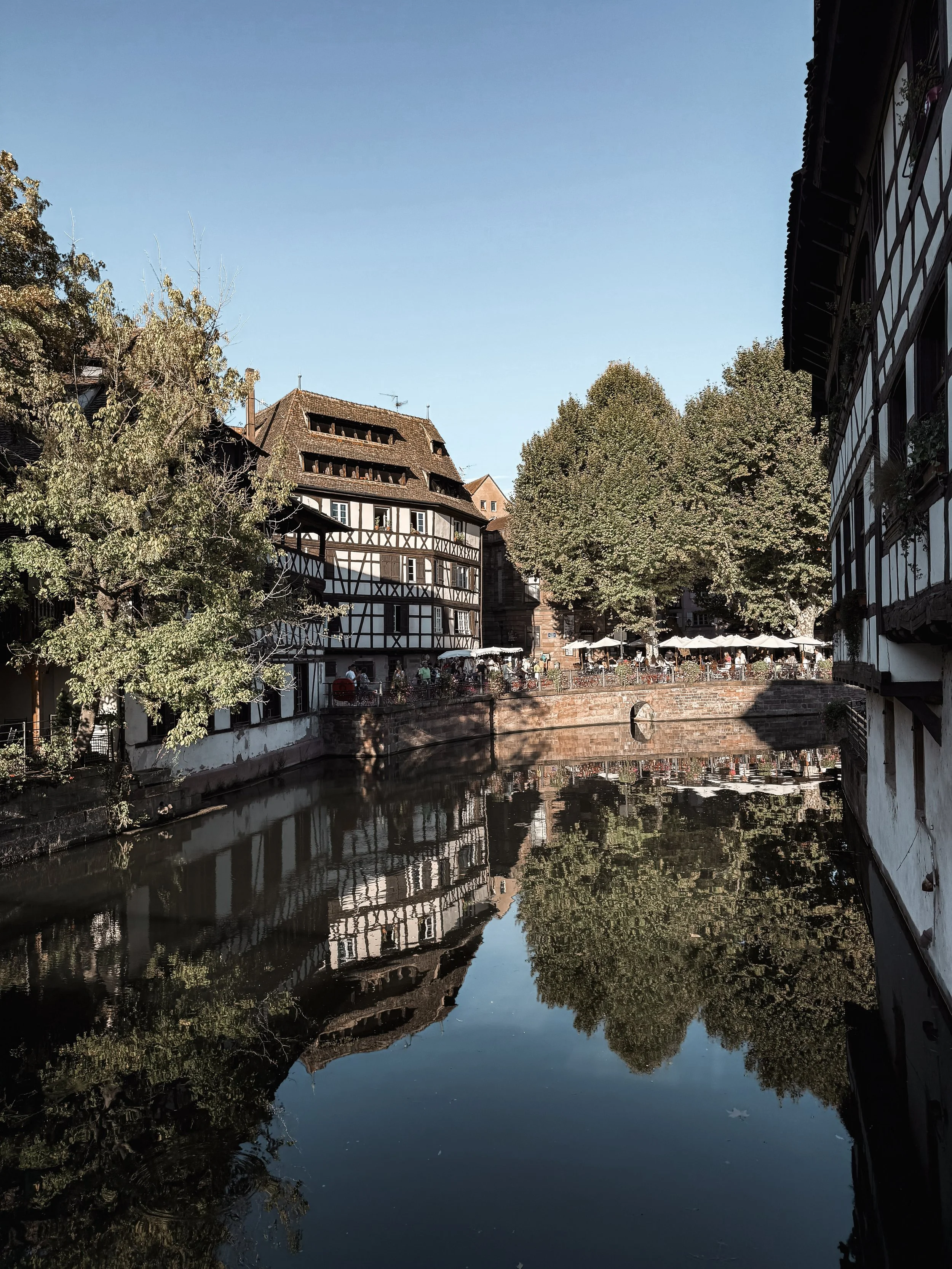
The region's cultural capital, where grand architecture, canals, and one of France's most beautiful historic centers come together. It's the perfect place to begin your journey through Alsace.
Colmar
Colorful half-timbered buildings, picturesque canals, and easy access to the Wine Route make Colmar an ideal base for exploring the surrounding villages.
Riquewihr
One of Alsace's most iconic wine villages, with beautifully preserved streets that feel almost unchanged by time. It's easy to see why it's one of the region's most photographed destinations.
Eguisheim
Known for its circular streets and flower-filled facades, Eguisheim is compact enough to explore in an hour or two but charming enough that you'll probably want to stay longer.
Kaysersberg
One of my favorite villages in Alsace. Between its historic center, stone bridge, and riverside setting, it's the kind of place that rewards simply walking without a destination in mind.
→ If you're wondering how these villages compare—or whether you really need to visit all of them—I cover each one in more detail in Villages Worth Visiting in Alsace.
Practical Tips
Rent a car if your itinerary allows; it's the easiest way to explore the Wine Route and smaller villages independently.
Don't over-plan your route. Choose a few priority stops rather than trying to fit every village into one day.
Reserve winery visits if there's a particular estate you want to experience, especially during busy travel periods.
Check parking before arriving in smaller villages; many historic centers are pedestrianized and parking is located around their edges.
Leave room in your suitcase if you're hoping to bring home a few bottles of Alsatian wine.
Suggested Four-Day Itinerary
Day One
Arrive in Strasbourg
Explore Petite France
Visit Strasbourg Cathedral
Enjoy dinner in the historic center
Day Two
Spend the morning exploring Colmar
Continue to Eguisheim
Enjoy a wine tasting along the Alsace Wine Route
Overnight in Colmar or one of the nearby wine villages
Day Three
Explore Riquewihr and Kaysersberg
Take the scenic route between villages
Stop at wineries, viewpoints, or villages that catch your eye
Day Four
Revisit your favorite village, continue exploring the Wine Route, or return to Strasbourg before departing
Continue Exploring Alsace
Planning your trip? These guides dive deeper into the region.
From The Edit
One of the things I loved most about Alsace was realizing that the region’s most memorable moments weren’t always tied to a particular landmark or village. They came from the roads between them—driving through vineyards, stopping for wine tastings, and changing plans because somewhere unexpected caught my attention.
If I could offer one piece of advice before your first visit, it would be this: don’t think of Alsace as a single destination. Let the journey through the region become part of the experience.
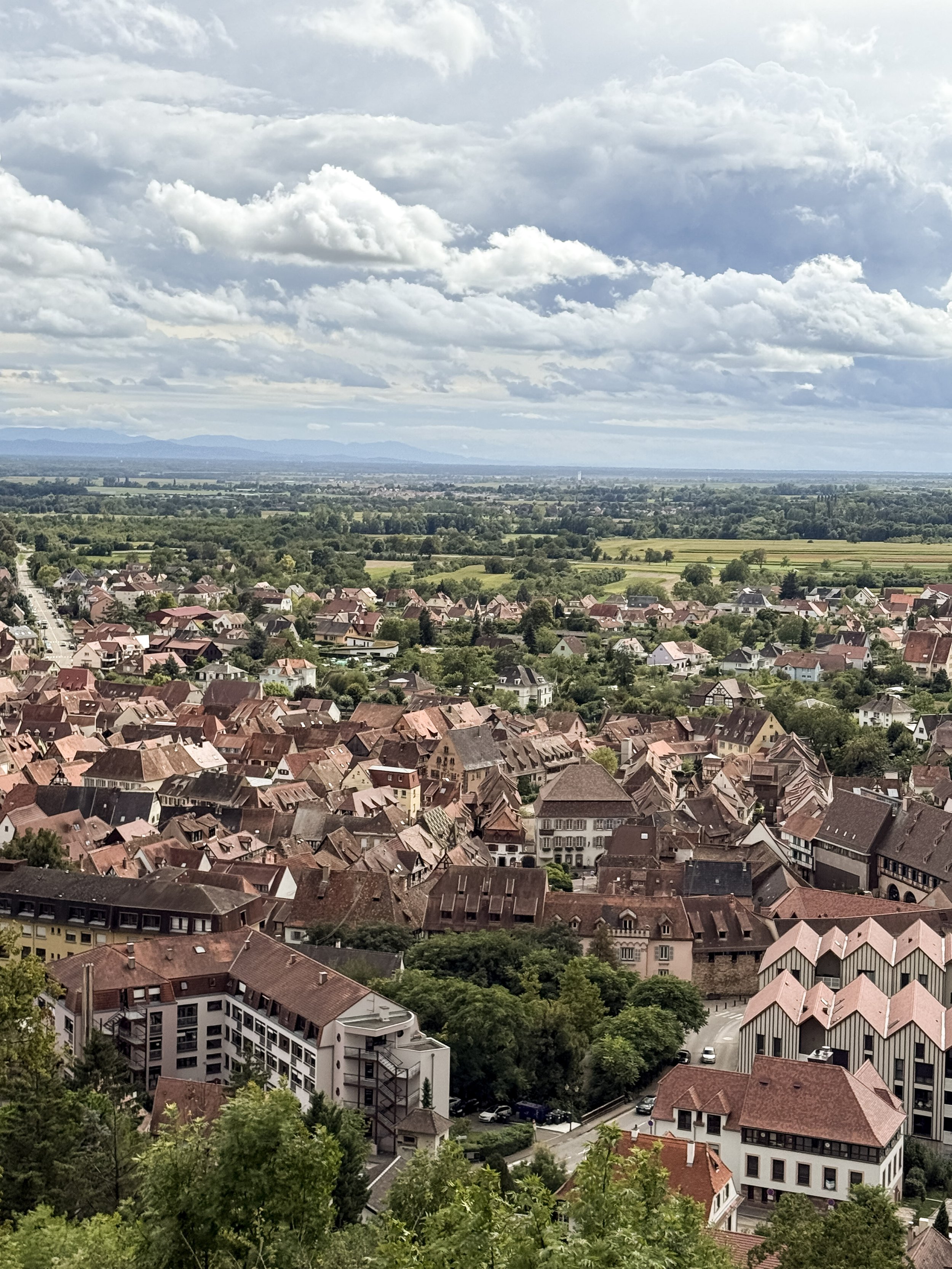
Looking out over the villages and countryside of Alsace.
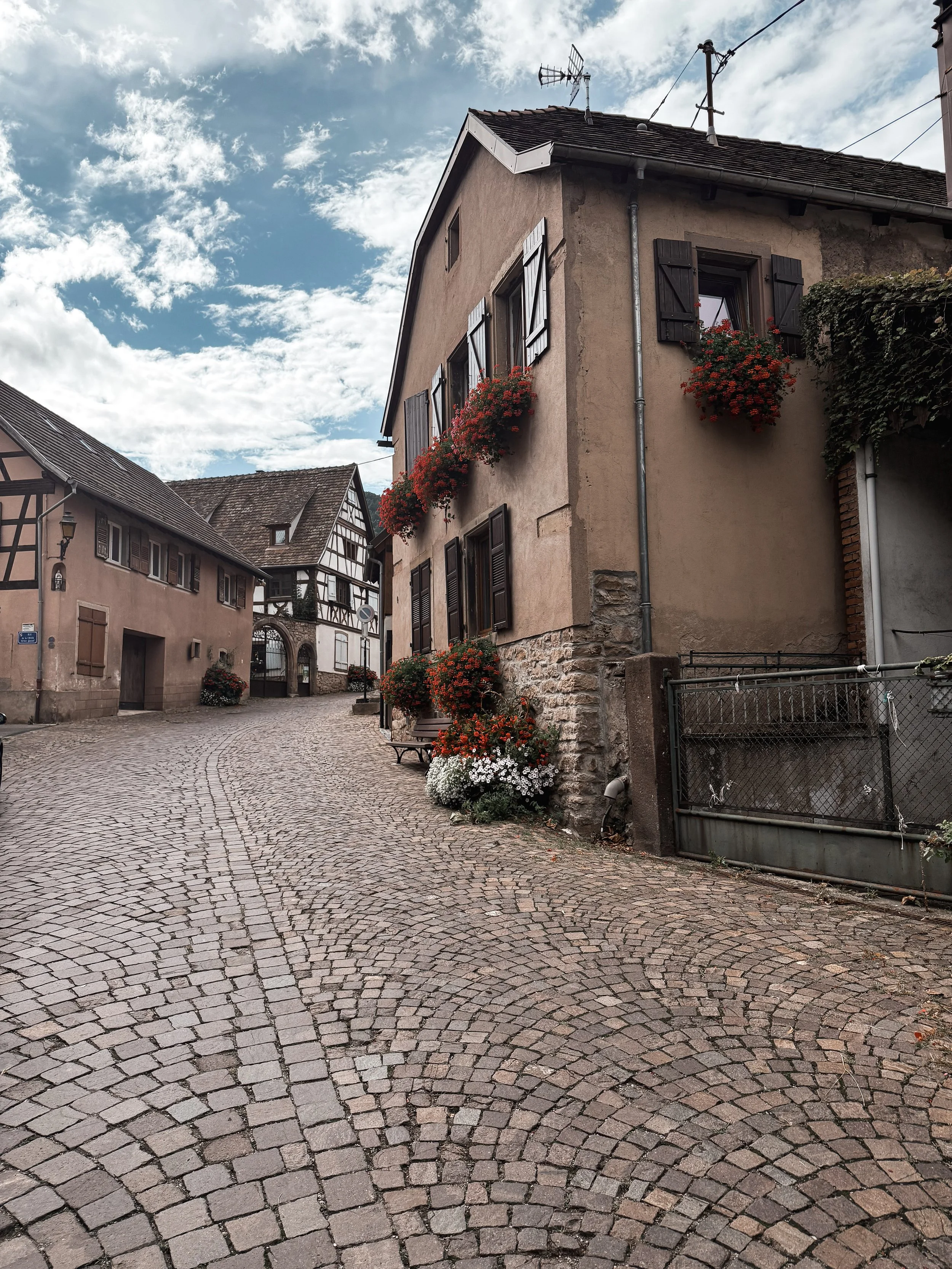
The cobblestone streets of Obernai, one of the stops along our route through Alsace.