A First-Timer’s Guide to Rome
A thoughtfully curated guide to planning your first trip to Italy's Eternal City.
Rome has a way of making you feel like you need to see everything.
The Colosseum. The Trevi Fountain. The Pantheon. Vatican City. It's easy to arrive with an itinerary packed from morning until night, determined to fit every landmark into just a few days.
My advice is to do the opposite.
Some of my favorite memories from Rome happened between the attractions—lingering over aperitivo on a rooftop terrace, wandering Trastevere after dinner, getting a little lost on quiet side streets, or spending an afternoon at Lake Albano just outside the city. Those moments reminded me that while Rome may be famous for its landmarks, the city becomes even more memorable when you leave room for everything around them.
Whether you're visiting for the first time or returning to discover more, this guide brings together everything I'd recommend before your trip.
Quick Facts
Ideal trip length: 3–4 full days
Best time to visit: April–June and September–October
Getting around: Plan to walk as much as possible, but expect to combine walking with taxis or public transportation depending on where you're staying.
Good for: History lovers, food lovers, architecture enthusiasts, couples, and anyone who enjoys cities with endless layers to explore.
Where to Stay
Rome is much larger than Florence, so where you stay has a bigger impact on how you'll experience the city.
For a first visit, I'd recommend choosing a neighborhood with easy access to the historic center while still giving you a chance to experience Rome beyond its busiest tourist areas. Being able to walk to dinner, wander for a while afterward, and gradually make your way back to your hotel became one of my favorite parts of each evening.
During my stay, I based myself near Piazza Navona, and I'd happily choose the area again. It made it easy to reach many of Rome's most famous landmarks on foot while still feeling relaxed once the daytime crowds began to thin.
✦ Editor's Note
One thing I'd prioritize when choosing a hotel in Rome is the neighborhood rather than the property itself. I found that some of my favorite evenings weren't tied to a reservation or attraction—they came from simply wandering the streets after dinner with nowhere in particular to be.
How Many Days Do You Need?
I'd recommend spending at least three full days in Rome.
That gives you enough time to experience the city's iconic landmarks without feeling like you have to rush from one attraction to the next. It also leaves room to explore neighborhoods like Trastevere, enjoy long dinners, and discover some of the quieter corners that make Rome feel like more than an open-air museum.
If you're planning to visit Vatican City, I'd add a fourth day if your schedule allows. And if you have even more time, I'd strongly consider spending an afternoon outside the city. Lake Albano ended up being one of my favorite experiences of the trip, offering a completely different side of Rome that many first-time visitors miss.
→ Read my guide to visiting Lake Albano from Rome.
What I'd Prioritize
Rather than trying to see everything, I'd build my itinerary around experiences that show different sides of Rome. The landmarks are incredible, but these are the moments that made the city memorable for me.
Visit the Major Landmarks
The Colosseum, Pantheon, Trevi Fountain, and Roman Forum have earned their reputations and absolutely deserve a place on a first visit. Just don't let them become your entire itinerary.
Spend an Evening in Trastevere
If there's one neighborhood I'd encourage every first-time visitor to experience after a day of sightseeing, it's Trastevere. As the sun begins to set, the streets fill with people chatting over aperitivo, restaurants spill out onto the sidewalks, and the entire neighborhood takes on a completely different energy.
One of the things I loved most about Trastevere was that it felt like a neighborhood Romans actually spend time in—not just another stop on a sightseeing itinerary. It's the kind of place where I'd encourage you to slow down, wander without a destination, and choose a restaurant because it catches your eye rather than because it's on a "must-visit" list.
By the end of the evening, I'd stayed much longer than I planned, simply enjoying the atmosphere.
Plan a Rooftop Aperitivo
Rome's skyline feels completely different from above. Between the church domes, terracotta rooftops, and golden evening light, it's one of my favorite ways to experience the city.
Whether it's a spritz before dinner or cocktails as the sun begins to set, I'd make time for at least one rooftop aperitivo during your visit. It's a chance to step away from the crowds for a little while and see Rome from an entirely different perspective.
→ Explore my favorite rooftop bars in Rome.
Step Outside the City for an Afternoon
One of the highlights of my trip wasn't inside Rome at all.
Lake Albano offered a completely different pace—quiet lake views, waterfront restaurants, and a refreshing break from the energy of the city. It reminded me that some of the best experiences near Rome happen just beyond its historic center.
If your itinerary allows, I'd strongly consider setting aside an afternoon for a day trip. It ended up being one of my favorite memories of the entire trip.
Where to Eat
Food is one of the reasons I'd happily return to Rome again and again. From traditional Roman trattorias to rooftop aperitivo and neighborhood wine bars, some of my favorite memories happened around the table.
I'd recommend planning a few restaurants you're especially excited about, particularly for dinner, while leaving some room for spontaneous lunches, aperitivo, and anything that catches your eye while exploring the city.
→ Explore my complete guide on where to eat in Rome.
Neighborhoods Worth Exploring
One of the best ways to experience Rome is to spend time in more than one neighborhood. Each has its own personality, and exploring beyond the major landmarks gives you a better feel for the city.
Centro Storico
Best for: First-time visitors • Historic landmarks • Walking
Home to many of Rome's most famous sights, Centro Storico is the easiest place to begin exploring. If it's your first visit, you'll likely spend a good portion of your time here.
Trastevere
Best for: Evening strolls • Restaurants • Aperitivo
Trastevere comes alive later in the day. Between its ivy-covered buildings, lively piazzas, and excellent restaurants, it's the neighborhood I'd recommend planning an entire evening around.
Campo de' Fiori
Best for: Cafés • Markets • A central home base
A lively neighborhood that's easy to explore on foot, with cafés, restaurants, and one of Rome's most famous daily markets. It's also a great area to base yourself if you want to be within walking distance of many of the city's highlights.
Practical Tips
Wear comfortable walking shoes—you'll cover far more ground than you expect.
Reserve major attractions in advance, especially during peak travel seasons.
Leave a little flexibility in your itinerary. Rome has a way of rewarding curiosity when you take the scenic route instead of the fastest one.
Suggested 3-Day Itinerary
Day One: Rome's Icons
Explore the Historic Center
Pantheon
Piazza Navona
Trevi Fountain
Spanish Steps
Rooftop aperitivo
Dinner
Day Two: Ancient Rome & Trastevere
Colosseum
Roman Forum
Palatine Hill
Afternoon break
Aperitivo in Trastevere
Dinner
Evening stroll through Trastevere
Day Three: Vatican City & a Slower Afternoon
Vatican Museums
St. Peter's Basilica
Lunch
Open afternoon for shopping, wandering, or revisiting a favorite neighborhood
Sunset rooftop drinks
Final dinner in Rome
Have a Fourth Day?
Use it to experience a completely different side of Rome with an afternoon at Lake Albano. Head out around midday, settle in for a long lakeside lunch, spend some time along the water, and return to Rome in the evening.
Continue Exploring Rome
Planning your trip? These guides dive deeper into some of my favorite experiences.
From The Edit
Rome has a way of making you believe every moment should be spent checking another landmark off your list. But looking back, the memories that stayed with me weren't created by rushing from one attraction to the next. They came from lingering over aperitivo, wandering through Trastevere after sunset, and taking the occasional detour simply because a street looked interesting.
If there's one thing I'd encourage on your first trip, it's this: don't let your itinerary become so full that there's no room left to discover your own version of Rome. The landmarks are unforgettable, but some of my favorite memories came from the moments in between—the rooftop where I stayed longer than planned, the neighborhood I wandered without a destination, and an afternoon at Lake Albano that reminded me there's more to Rome than the city itself.
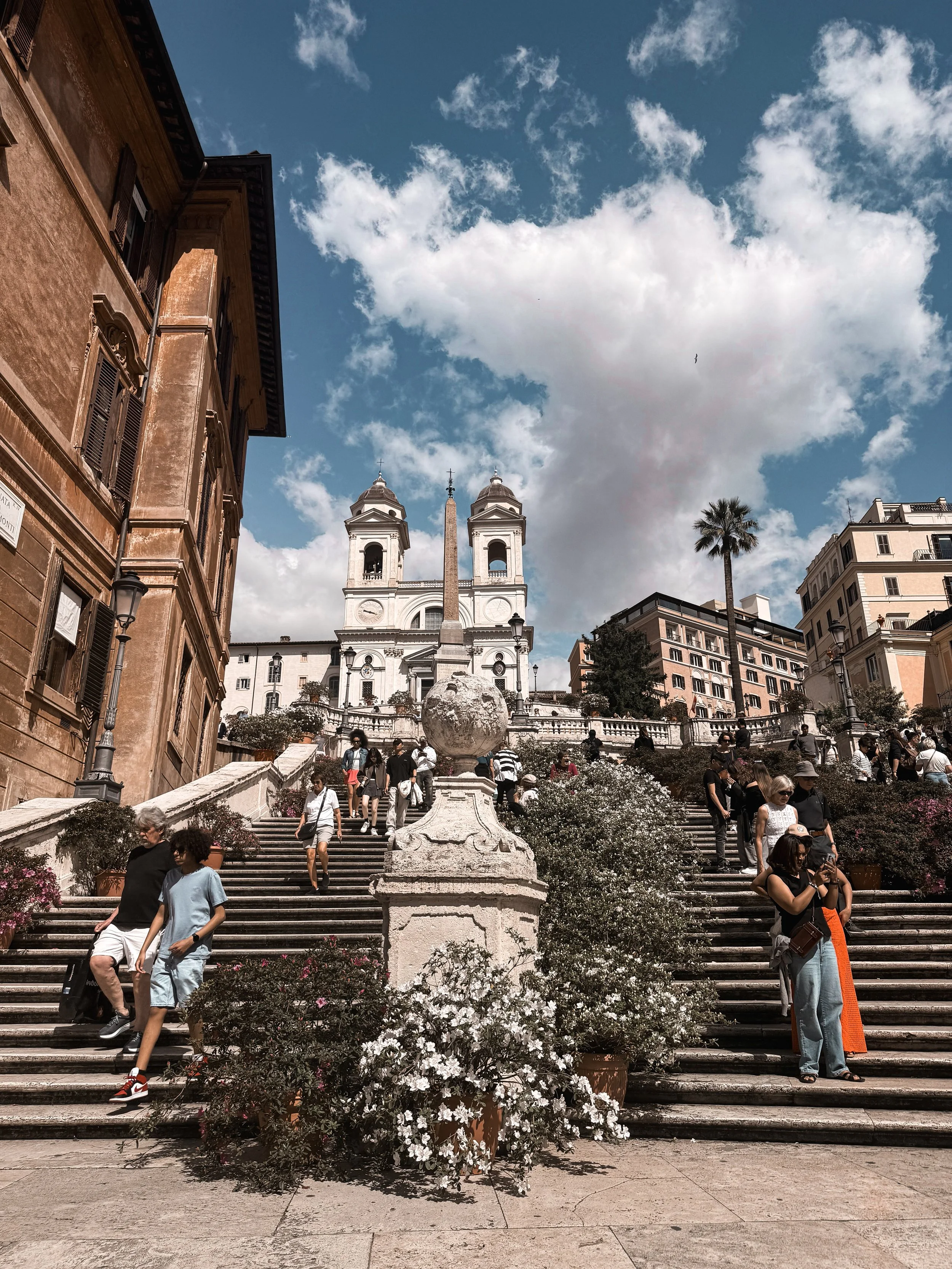
The Spanish Steps, one of Rome's most recognizable landmarks and an easy stop while exploring the historic center.
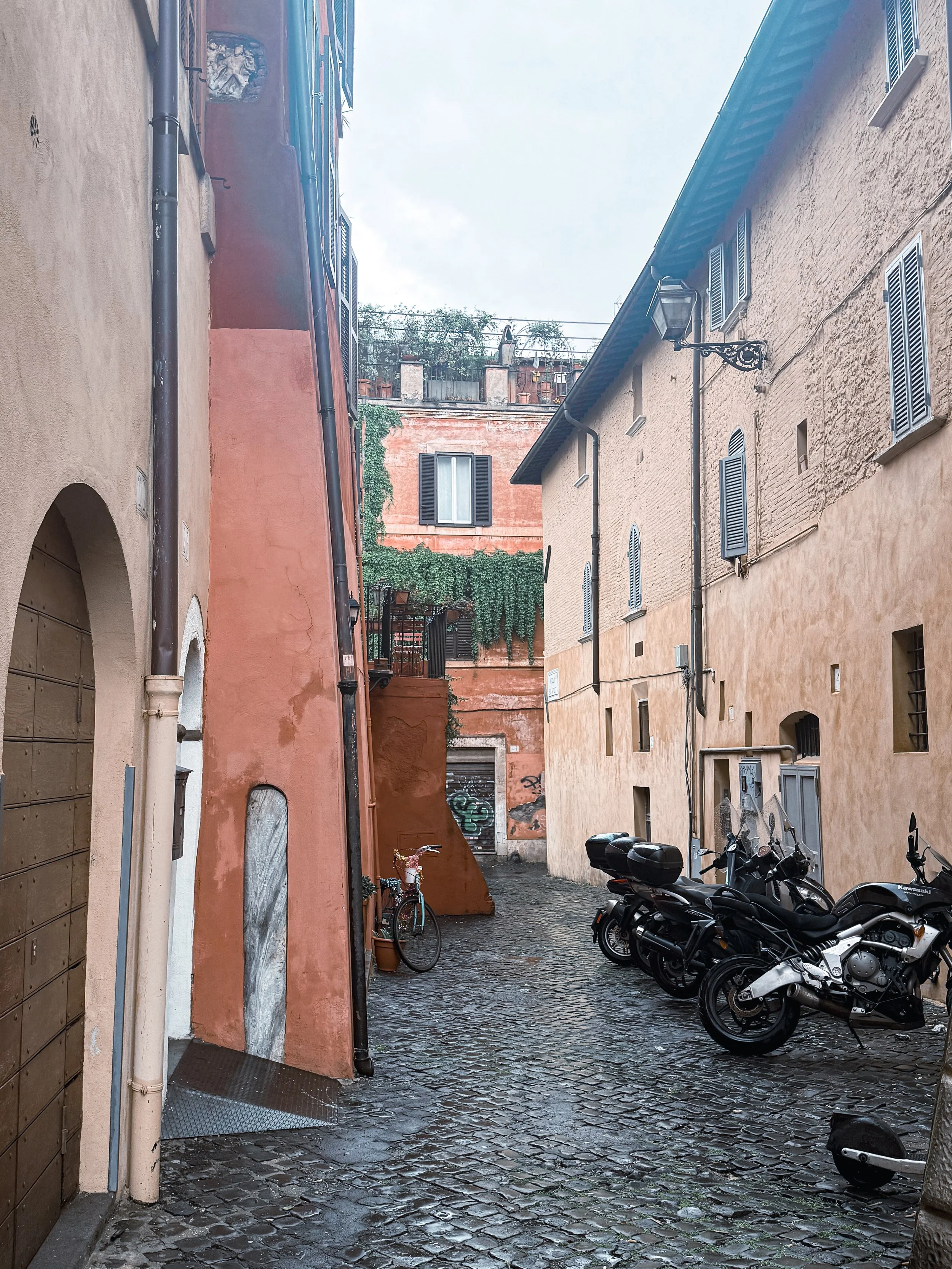
A quiet side street in Trastevere, where some of the best exploring happens without a destination in mind.
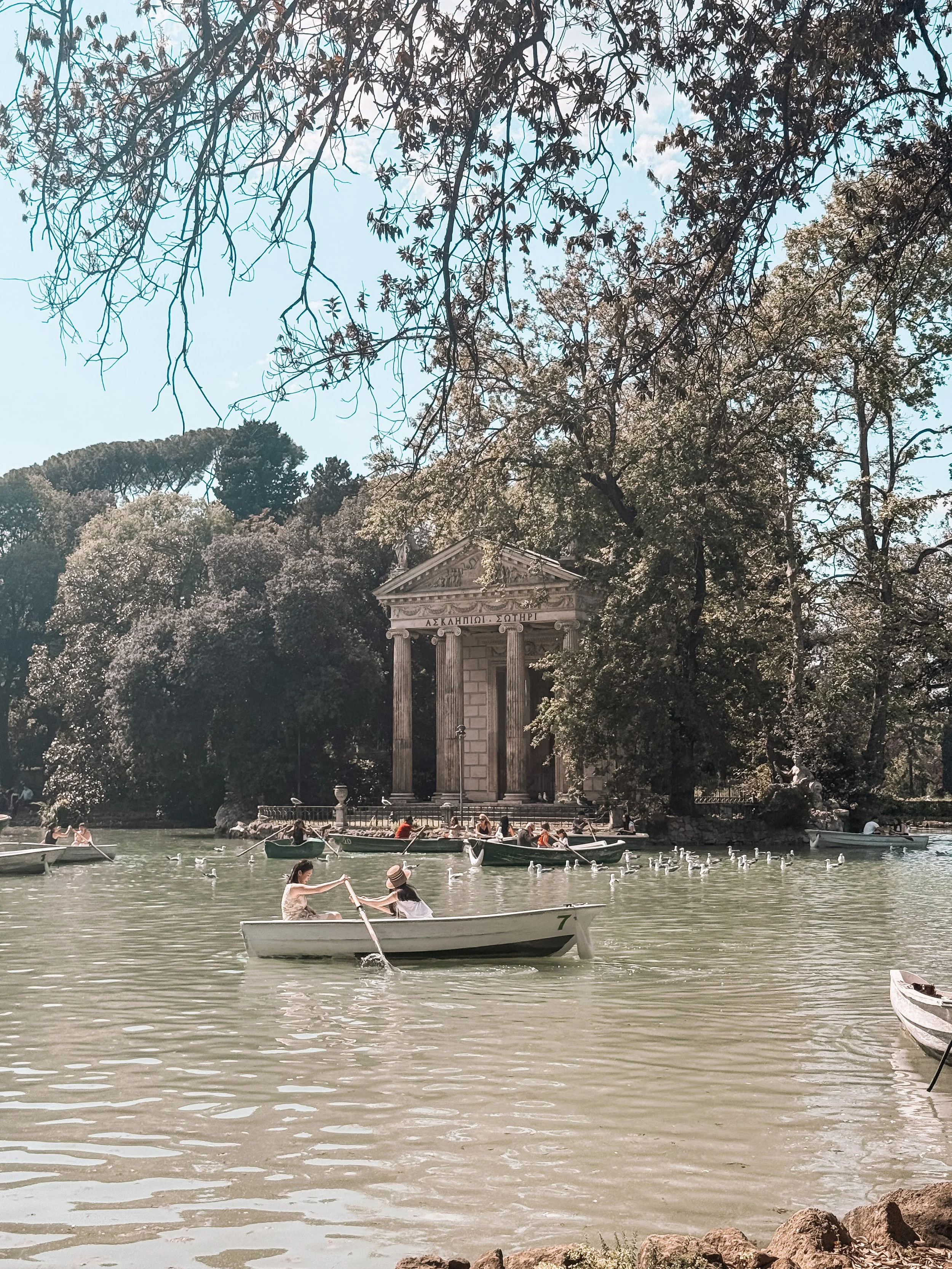
An afternoon at Villa Borghese—a peaceful change of pace when you need a break from sightseeing.
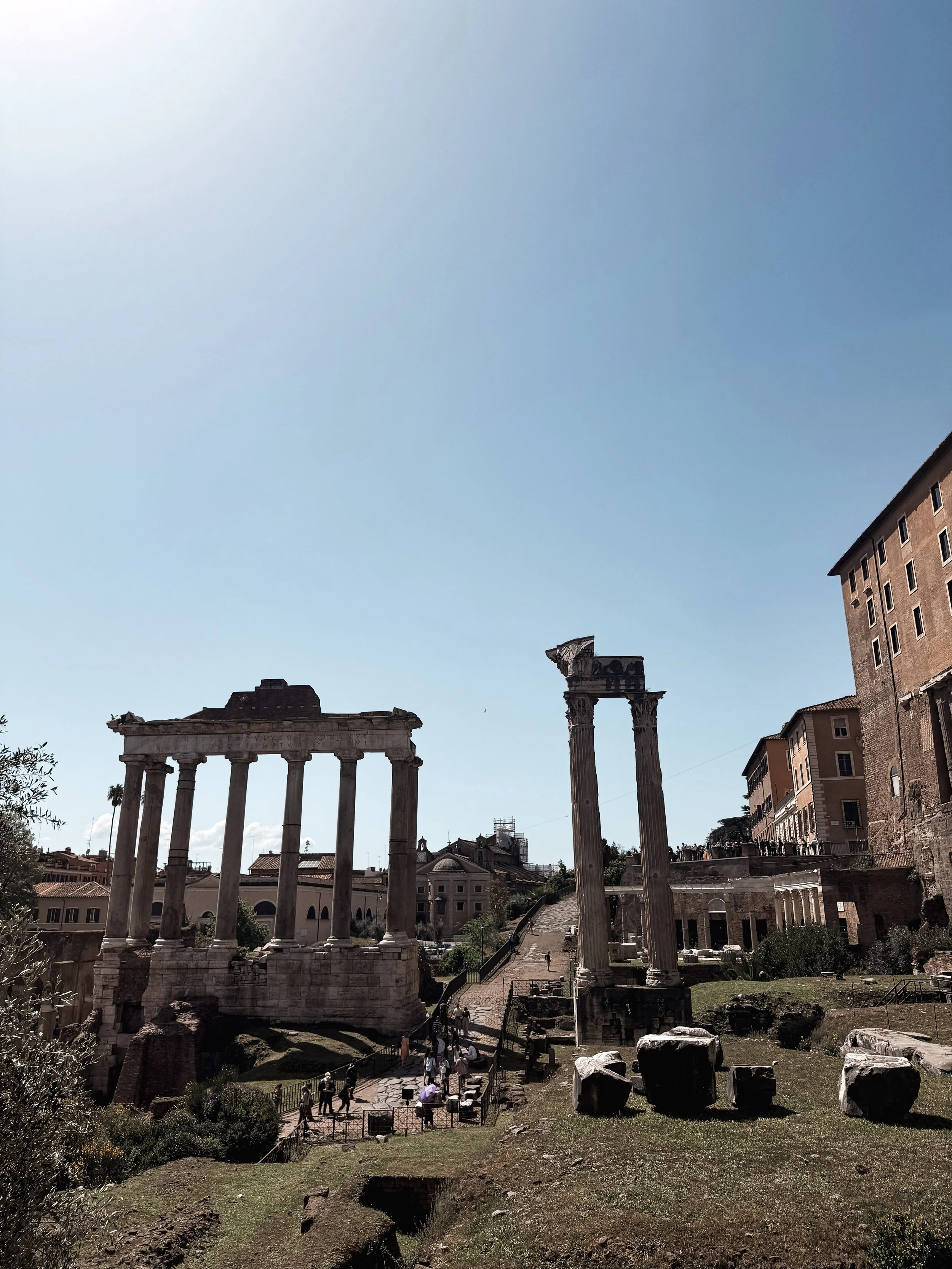
The Roman Forum, one of the essential stops for experiencing the layers of history at the heart of the city.
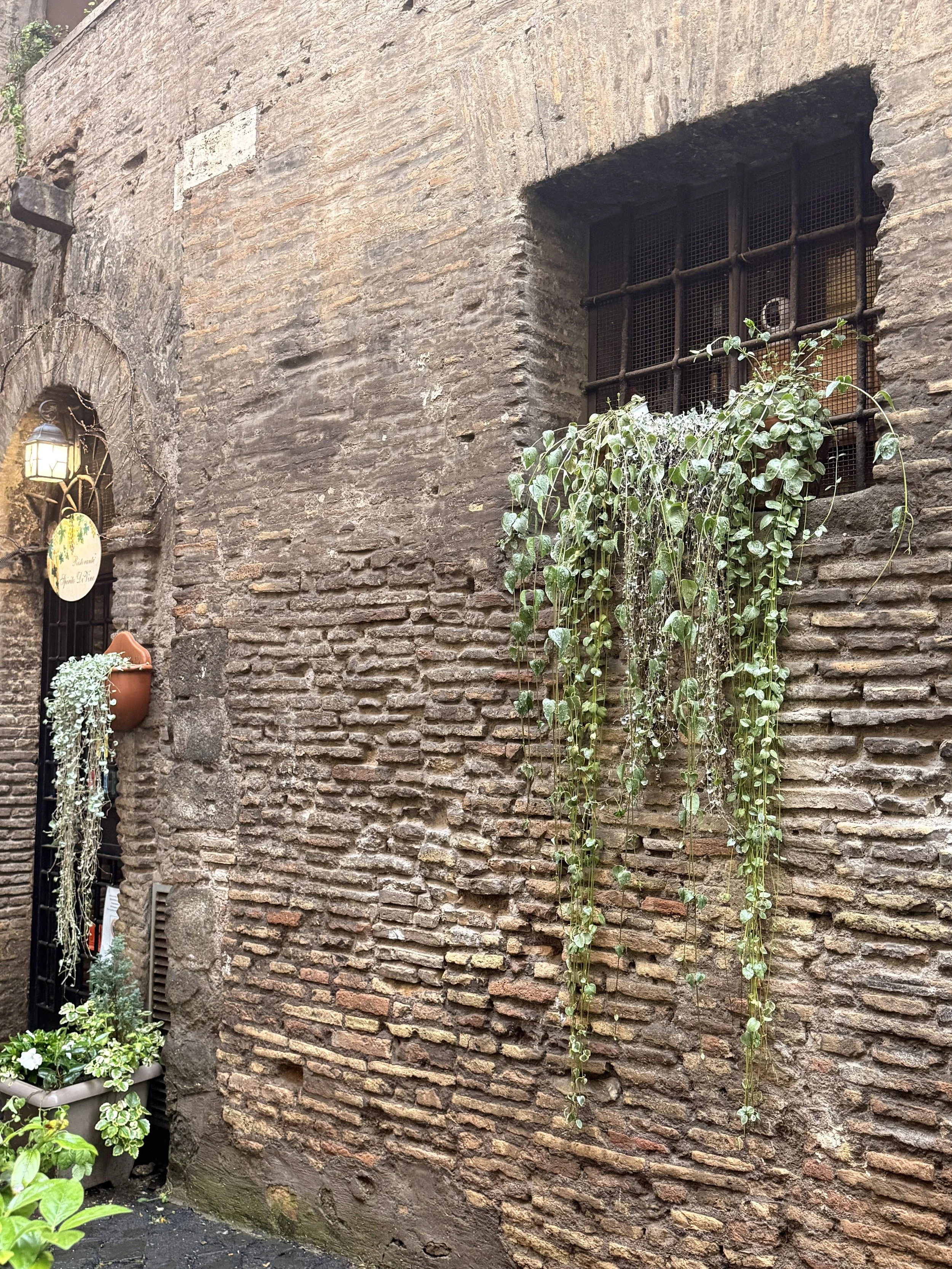
The textured walls and tucked-away corners that give Trastevere so much of its character.